Reasons Why Concrete Construction Adds Long-Term Value to a Property
The selection of building materials is a decision that resonates through the decades, influencing the stability, safety, and fiscal health of a property. Among the various methods available to modern builders, none offer the same historical pedigree and future-proof reliability as the use of stone-like composite materials. When developers and homeowners look toward long-term equity, they increasingly turn toward heavy-duty masonry solutions to ground their investments. This choice is not merely about creating a rigid shell; it is about embracing a philosophy of permanence that resists the temporary nature of lighter, more modern alternatives. By prioritizing substance over speed, property owners can ensure that their structures remain viable assets long after lighter buildings have begun to show their age.
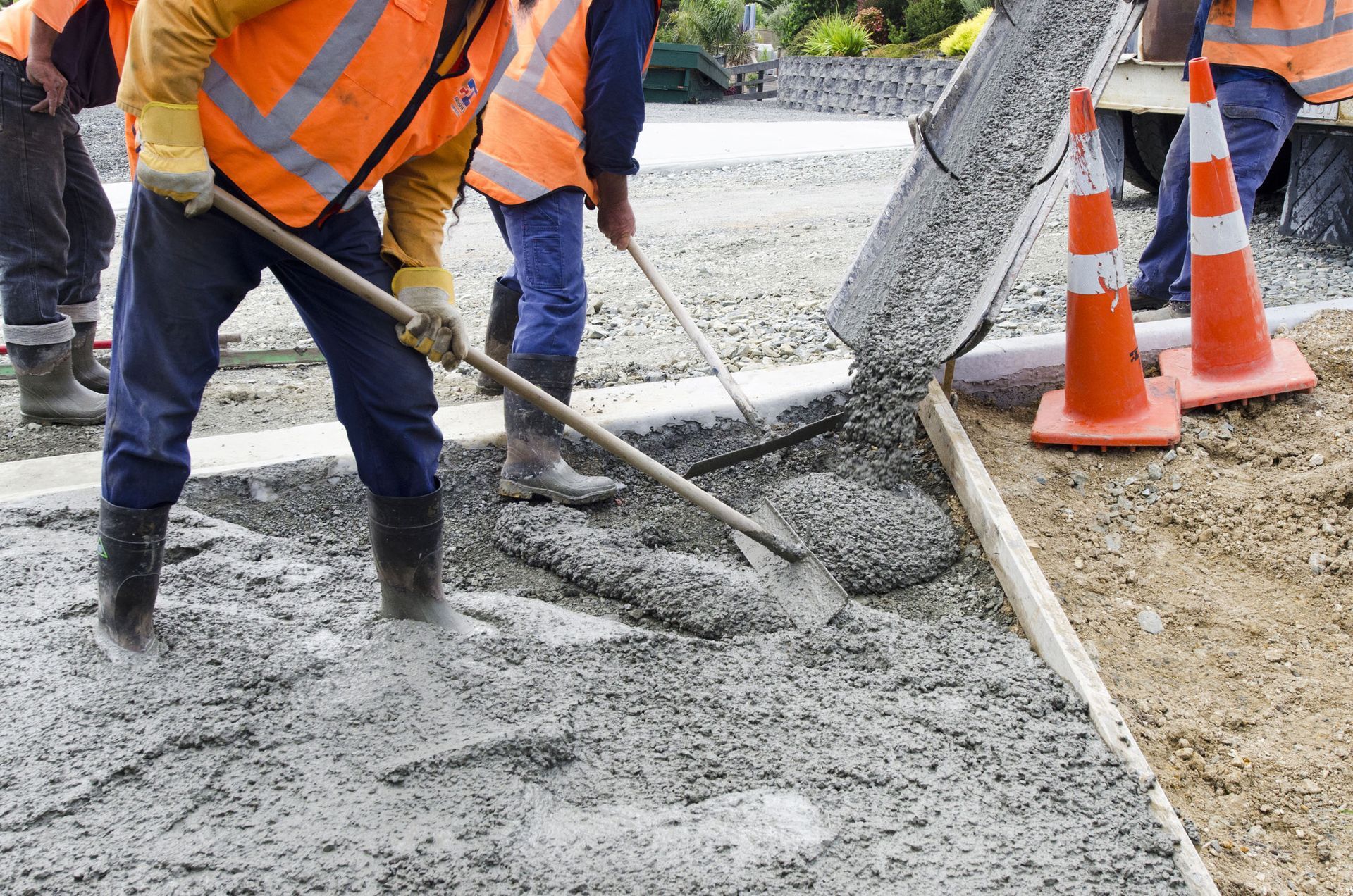
The inherent strength of a solid foundation and wall system provides a sense of security that is difficult to replicate with wood or light-gauge steel. As environmental conditions become more extreme, the physical resilience of a building becomes a primary factor in its overall worth. Utilizing concrete construction allows for a level of defense against natural forces that other materials simply cannot match. This durability is the cornerstone of property value, as it reduces the likelihood of catastrophic failure and minimizes the need for frequent, invasive repairs. Understanding the specific ways in which these robust materials contribute to the longevity of a home or commercial building is essential for any savvy investor looking to maximize their return.
Enhancing Structural Resilience Against Forces
The ability of a building to withstand the relentless pressure of gravity and the sudden impact of external forces is the most basic requirement of architecture. Masonry systems provide a level of compressive strength that ensures the skeleton of the building remains plumb and true for centuries. Unlike organic materials that may warp, twist, or shrink as moisture levels fluctuate, these solid surfaces maintain their dimensions regardless of the surrounding humidity. This dimensional stability prevents common issues such as cracked drywall, sticking doors, and uneven floors that often plague lighter structures. By choosing concrete construction, an owner is investing in a rigid frame that serves as a permanent anchor for the entire property.
Beyond simple stability, the mass of the material provides an exceptional barrier against high winds and flying debris. In regions prone to severe weather events, a heavy-walled structure offers a sanctuary that lighter buildings cannot provide. The sheer density of the walls makes them nearly impervious to the types of impact damage that would easily penetrate a traditional framed wall. This physical toughness translates directly into long-term value, as the building remains a safe haven during crises and requires far less restoration work in the aftermath of a storm. The peace of mind that comes from such a secure environment is a significant, albeit intangible, boost to the property’s desirability and market price.
Minimizing Maintenance Costs Over Time
One of the most significant drains on property value is the ongoing cost of preservation and repair. Organic building materials are susceptible to a wide range of biological threats, including rot, mold, and wood-destroying insects. These issues often remain hidden within the walls until they have caused extensive damage, leading to expensive remediation efforts. In contrast, mineral-based building methods are completely immune to these problems. There is no nourishment for termites within a stone wall, and inorganic surfaces do not provide the organic matter necessary for mold to thrive. By eliminating these common risks, property owners can redirect their maintenance budgets toward aesthetic upgrades rather than structural survival.
The external finish of a masonry building also requires far less attention than painted wood or vinyl siding. While other materials may fade, peel, or crack under the sun’s intense radiation, solid composite surfaces retain their integrity. This longevity is rooted in the very composition of the material itself. According to House Grail, concrete consists of 60 to 75 percent aggregate, 15 percent cement and water, and five to eight percent air. This precise mixture creates a substance that is essentially a man-made rock, capable of weathering the elements for many human lifetimes without losing its strength. The reduction in recurring expenses like painting and sealing makes the property much more attractive to future buyers who are looking for a low-hassle investment.
Optimizing Thermal Performance and Comfort
The thermal mass of a heavy structure acts as a natural battery for energy, absorbing heat during the day and releasing it slowly as temperatures drop. This phenomenon, known as the flywheel effect, significantly stabilizes the internal temperature of a home or office. In a world where energy costs are a primary concern for residents, the efficiency provided by concrete construction is a major selling point. The building naturally resists the rapid temperature swings that force mechanical heating and cooling systems to work overtime. This leads to a more consistent indoor environment where drafts are eliminated and comfort is maintained with minimal effort.
Furthermore, the airtight nature of cast or block walls prevents the uncontrolled exchange of indoor and outdoor air. When combined with modern insulation techniques, these buildings create a superior thermal envelope that keeps conditioned air where it belongs. The financial benefits of this efficiency are cumulative, saving the owner a substantial amount of money on utility bills every single month. Over several decades, these savings can represent a significant portion of the building's original cost. When the time comes to sell, a documented history of low energy consumption serves as a powerful testament to the building's superior design and high-quality craftsmanship.
Supporting Versatile and Timeless Design
Modern engineering allows for incredible flexibility in how heavy-duty materials are shaped and utilized. Far from being limited to gray blocks, the use of concrete construction enables architects to create sweeping curves, massive open spans, and intricate textures that would be impossible with other media. This versatility means that a property can be designed to meet any aesthetic preference, from ultra-modern minimalism to classical elegance. Because the material is so durable, these design choices remain crisp and clear for decades, avoiding the dilapidated look that often overtakes aged wood or plastic-based exteriors.
The timeless nature of masonry ensures that the building does not fall out of fashion as quickly as those following fleeting architectural trends. There is an undeniable sense of permanence and "old-world" quality associated with solid buildings that appeals to a wide demographic of buyers. This broad appeal helps maintain a high resale value, as the building is seen as a classic and enduring piece of architecture rather than a dated relic of a specific era. By combining strength with beauty, developers create landmarks that contribute positively to the built environment and remain desirable assets for generations.
The decision to build with permanence in mind is a testament to an owner's foresight and commitment to quality. Through the lens of structural integrity, financial efficiency, and personal safety, the advantages of heavy-duty building methods are undeniable. A property built on a foundation of solid masonry is more than just a shelter; it is a resilient, efficient, and quiet legacy that stands firm against the passage of time. As we look toward a future where resources must be managed wisely and structures must last longer, the value of these enduring materials will only continue to grow.
At Radlund Construction LLC, we take great pride in our ability to deliver structures that embody these principles of strength and longevity, ensuring that every project we undertake becomes a lasting cornerstone of value for our clients.






Share On: