3 Practical Ways to Improve Properties With Concrete Construction Services
Concrete is one of the most versatile building materials available for residential and commercial properties. Whether the goal is to improve curb appeal, create more usable outdoor space, or establish a durable foundation, well-planned concrete features can make a significant difference. From decorative finishes to structural improvements, property owners have several options for incorporating concrete into their construction plans.
Investing in the right improvements requires considering both immediate needs and long-term property goals. With professional planning and quality workmanship, concrete construction services can help create functional, attractive spaces that provide lasting value.
1. Upgrade Outdoor Spaces With Custom Concrete Features
Create an Attractive and Functional Driveway
A driveway is one of the first features visitors notice when approaching a property. An aging, cracked, or uneven driveway can detract from an otherwise well-maintained exterior. Replacing it with a professionally installed concrete driveway provides a clean, polished appearance while creating a dependable surface for everyday vehicle traffic. Concrete construction services allow property owners to consider different layouts, dimensions, and finishes that complement the surrounding architecture.
Beyond improving curb appeal, a properly constructed driveway can offer excellent durability and relatively simple maintenance. Concrete withstands regular use and does not require the frequent sealing and resurfacing associated with some alternative paving materials. Proper site preparation, grading, and drainage planning are also important for minimizing water-related problems and maintaining the surface over time. These considerations help ensure the driveway serves the property's needs for many years.
Add Visual Interest With Stamped Concrete
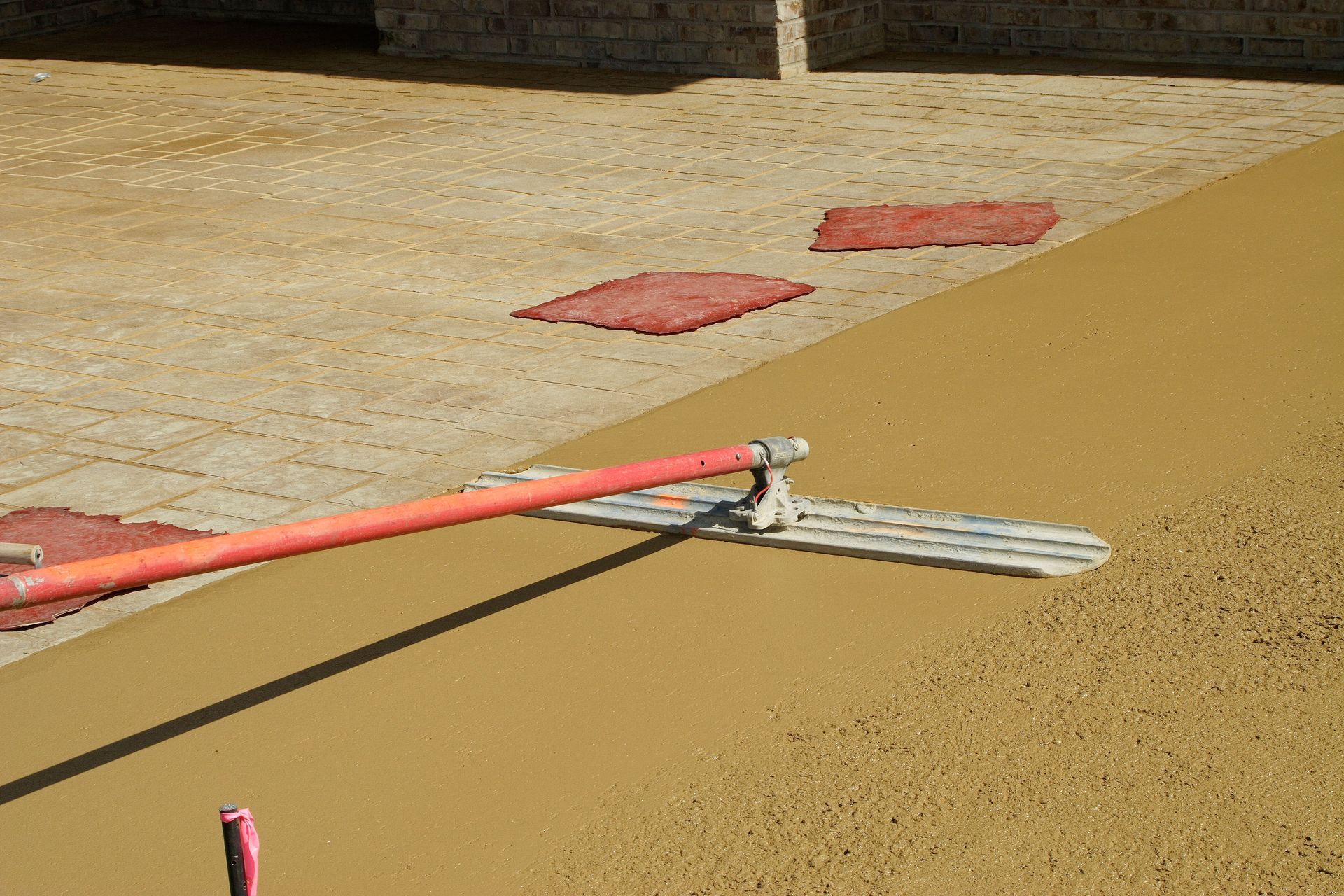
Property owners looking to enhance patios, walkways, and other outdoor surfaces can benefit from stamped concrete. This decorative option creates patterns and textures that resemble materials such as natural stone, brick, or slate. It provides opportunities to introduce visual interest without installing individual masonry units. With various patterns, colors, and finishes available, stamped concrete can complement different architectural styles and outdoor design preferences.
Durability is another reason to consider this improvement. According to HomeGuide, stamped concrete can last approximately 25 to 50 years with regular resealing and appropriate maintenance. This longevity makes it an appealing option for property owners seeking an attractive outdoor surface that can withstand regular exposure to the elements. Professional installation also helps ensure the finished design has consistent patterns, appropriate drainage, and a suitable protective finish.
Build Retaining Walls for Better Landscape Management
Sloped properties can present challenges involving soil movement, erosion, and the organization of outdoor areas. Concrete retaining walls offer a practical way to address these concerns while introducing structure to the landscape. They can help hold back soil, create level areas for landscaping, and establish clearer boundaries between different sections of a yard. These features can also improve how property owners use otherwise difficult terrain.
The design of a retaining wall should account for soil conditions, wall height, drainage requirements, and the amount of pressure the structure will need to withstand. Proper excavation and a suitable foundation are essential to achieving a stable result. Incorporating concrete construction services into a larger landscaping improvement plan can help property owners create more usable outdoor areas while addressing the structural requirements of their property.
2. Strengthen Properties With Structural Concrete Improvements
Establish a Dependable Foundation
A strong foundation is essential to the stability and longevity of any building. It distributes structural loads into the supporting soil and provides a stable base for the rest of the construction. Whether planning a new residential building, an addition, or a small commercial structure, property owners should prioritize proper foundation design and installation. Concrete construction services can address the excavation, preparation, and placement involved in establishing this important structural component.
Several factors influence foundation performance, including soil composition, drainage, building loads, and site conditions. Before construction begins, the project should be evaluated to determine the appropriate foundation requirements. Proper reinforcement, concrete placement, and curing practices also contribute to structural integrity. Addressing these details during the initial construction phase can help reduce the likelihood of settlement, cracking, and other problems that may require expensive repairs later.
Improve Interior Spaces With Finished Concrete Slabs
Concrete slabs are not limited to foundations and unfinished utility areas. Finished interior slabs can provide an attractive flooring option for garages, workshops, basements, and other spaces. Depending on the desired appearance, the surface can be finished to create a clean, understated look that works with different interior design styles. Concrete flooring is also relatively easy to maintain, making it practical for areas that experience frequent foot traffic or equipment use.
Another advantage is the material's versatility. Property owners can incorporate finished slabs into new construction or consider them when renovating existing spaces. Proper preparation and finishing help create a level, durable surface suited to the intended application. When planning an interior renovation, concrete construction services can help determine whether a finished slab is appropriate based on the room's condition, intended use, and overall design.
Create Elevated Concrete Decks
Elevated concrete decks offer another way to expand a property's functional space. These structures can provide outdoor areas for entertaining, relaxing, or enjoying surrounding views, particularly on properties with uneven terrain. Unlike conventional ground-level patios, elevated decks can connect different levels of a property while making use of areas that might otherwise be difficult to access. Their construction requires careful attention to structural support and site conditions.
Because elevated structures must safely support their intended loads, planning is especially important. Contractors need to consider the deck's dimensions, supporting elements, reinforcement requirements, and connection points. Proper construction helps create a stable structure that can accommodate regular use and exposure to outdoor conditions. Integrating an elevated deck into a broader improvement project can also help create a more cohesive transition between indoor and outdoor living areas.
3. Plan Long-Term Improvements With Versatile Concrete Construction
Combine Multiple Improvements Into One Project
Property owners do not always need to approach concrete improvements as separate projects. Combining several features into one construction plan can create a more cohesive result and help coordinate the different stages of work. For example, a property renovation might include a new driveway, retaining walls, and a finished patio. Planning these improvements together makes it easier to consider how each feature will relate to the others in terms of layout, appearance, and functionality.
A comprehensive project also provides an opportunity to coordinate excavation, grading, and other necessary site preparation. When multiple improvements require similar preliminary work, addressing them within one overall plan can help simplify scheduling and project management. Professional concrete construction services can help property owners evaluate which improvements should be completed together and how to organize the work according to the property's priorities and available budget.
Consider Durability and Maintenance Requirements
The initial installation cost is only one factor to consider when choosing construction materials. Property owners should also evaluate expected service life, routine maintenance, and the potential cost of future repairs. Concrete can be a practical long-term investment because properly installed structures are designed to withstand substantial use and environmental exposure. Although custom designs may involve higher upfront costs, their durability and relatively modest maintenance requirements can make them cost-effective over time.
Different concrete applications have different maintenance needs. Driveways and patios may require occasional cleaning and sealing, while decorative stamped surfaces benefit from periodic resealing to protect their appearance. Structural features should also be inspected for visible deterioration, drainage issues, or developing cracks. Understanding these responsibilities before construction begins helps property owners establish realistic expectations and protect their investments.
Whether planning a single upgrade or a more extensive renovation, consider working with our experts in concrete construction services who can bring the project together from initial preparation through completion. Contact Radlund Construction LLC today to discuss your ideas and request a free estimate!







Share On: